
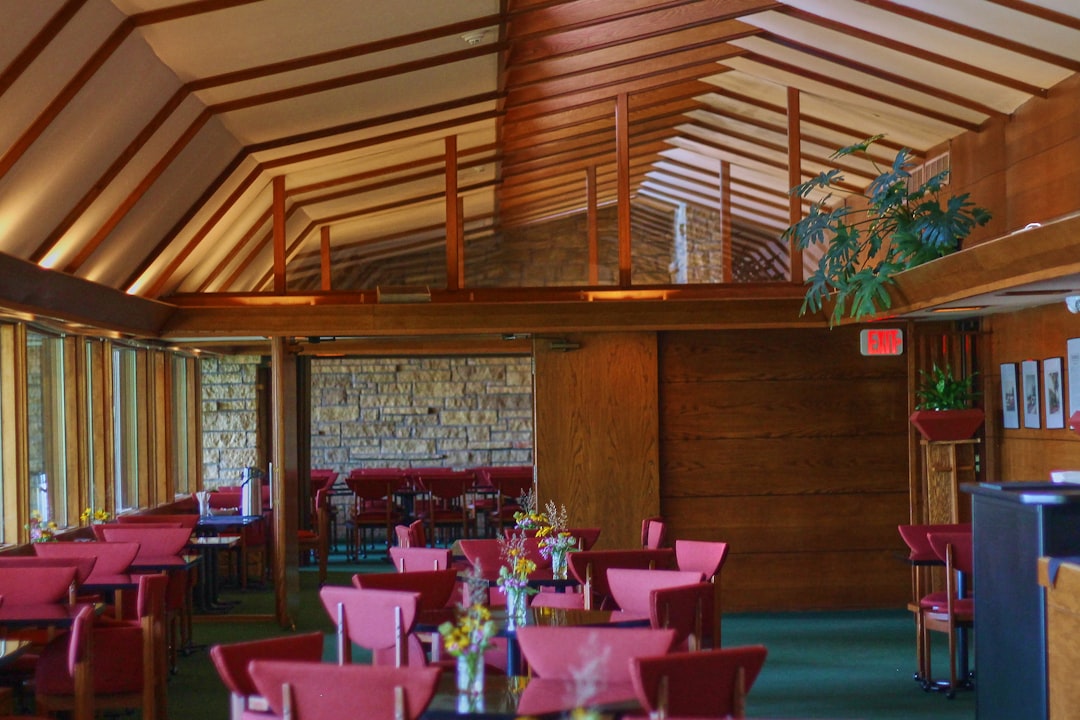
A carpet in a busy Singapore restaurant takes more punishment in one weekend than most office carpets see in a month. Spilled wine, dropped sauces, grease that migrates from the kitchen on shoe soles, and the relentless foot traffic of a full dining room, all of it embeds in the pile and, if left untreated, surfaces as odour and visible staining that guests notice immediately.
For F&B operators, the cleaning challenge is not just what to remove but when. You cannot shut a guest area for half a day on a Tuesday. You need a crew that can work between the lunch service and the dinner rush, or overnight, and leave the floor dry and presentable before the next sitting.
Why this matters: In a restaurant, the carpet is part of the dining experience, stale odours and visible stains signal neglect to every guest who walks in, regardless of how good the food is.
Highlights
- Restaurant and F&B carpets accumulate food residue, grease and beverage spills that standard vacuuming cannot clear.
- Hot-water extraction removes embedded soil, odour and allergens with no chemical residue, leaving carpets safe for food-service environments.
- Our solutions are eco-friendly, fragrance-free and safe for the guest areas of cafes, restaurants and hotel dining rooms.
- In-house IICRC- and CRI-certified technicians, never sub-contracted, so scheduling and quality stay consistent.
- We clean between services or overnight to fit your operational window, same-day and 24/7 availability.
What makes F&B carpets different from office carpets
Commercial carpet cleaning in Singapore covers a wide range of settings, but restaurant and F&B venues have a distinct set of problems that office environments rarely share.
Grease migration and food residue
Kitchen grease does not stay in the kitchen. It travels on shoe soles, trolley wheels and uniform hems into the dining room, bonding with the carpet pile and attracting further soil with every passing foot. Unlike a dry office spill, grease residue is sticky, and a basic vacuuming pass does nothing to lift it.
Food and beverage spills compound the problem. A red-wine splash treated promptly with a cloth will often blot out. Left until after service, or rubbed rather than blotted, it wicks deeper into the fibre and may set permanently. The real culprits in most restaurant carpets are not the dramatic single spills but the dozens of small drips and splashes that go unnoticed during a busy service and build up over weeks.
Odour that is absorbed, not just surface-level
Food odours are volatile compounds that bind to carpet fibres in the same way they bind to fabric. A carpet that smells faintly of last Tuesday's lamb ragu is not a carpet problem in isolation, it is a sign that organic matter has worked its way below the surface layer and is breaking down slowly. Odour eliminators sprayed on top mask the smell briefly; they do not remove the source.
Hot-water extraction, the method we use for all commercial carpet cleaning work, reaches those lower fibre layers. The combination of heat, pressure and extraction physically lifts the organic residue and removes it, rather than coating it with a fragrance that fades within days.
Cleaning around your schedule, not ours
This is the operational constraint that separates a good commercial cleaning partner from a frustrating one. An F&B operator's window for floor cleaning is narrow: after breakfast and before lunch, between the lunch and dinner service, or a full overnight clean after closing. Some cafes run continuously from early morning to midnight.
Between services: what is realistic
A same-day service slot between a 3 pm close and a 6 pm dinner sitting is achievable for spot treatment and targeted extraction on high-traffic zones. It is not enough time for a full room clean with adequate drying if the space is large. For between-service cleans, we typically focus on the entrance zone, the bar-area carpet, and any visible spill spots, using targeted extraction that dries in under two hours in a well-ventilated room.
Full-room commercial carpet cleaning for a restaurant is best scheduled overnight or on a rest day, when hot-water extraction has four to six hours to dry and the result is a genuinely fresh start for the next morning's service.
Overnight and off-peak scheduling
We work with F&B operators on a regular maintenance schedule: a deep extraction clean every six to eight weeks for high-traffic dining rooms, with monthly spot treatments on entrance zones and bar areas. This prevents the slow accumulation of grease and organic residue that eventually makes a carpet look irretrievably dark and flat, even directly after vacuuming.
For hotels with dining rooms and cafes, the scheduling conversation often involves a coordination between the F&B team and the facilities manager. We handle those conversations directly, with a consistent in-house crew rather than sub-contracted workers who may be different people every visit.
When to treat a spill yourself and when to call us
Not every F&B spill needs a professional response. A fresh liquid spill, water, juice, even red wine, can be managed on the floor with the right immediate action:
- Blot, never rub. Use a clean cloth and press firmly from the outside of the spill inward.
- Lift solids with a spoon or spatula before blotting the residue.
- Avoid hot water on protein-based spills (meat juices, dairy, egg): heat sets them.
- Do not drench the area; overwetting a carpet in a busy dining room creates a mould risk in Singapore's humidity.
Professional intervention is the right call when:
- A stain has dried or been walked on before treatment.
- You notice a persistent odour that remains after cleaning, which means organic matter has penetrated below the surface layer.
- The carpet looks dull and flat across high-traffic lines even after vacuuming (compacted pile and embedded grease).
- You are preparing for a health inspection, a restaurant review, or a private dining event.
For carpet stain removal on set-in stains, results depend on the type of stain, the fibre, and how long it has been there. Wine, coffee, and sauce stains that have been ground in or have set over multiple days may improve significantly but not always disappear completely. We will tell you honestly what is achievable before we start, and if a section of carpet is beyond recovery, replacement is a better conversation to have early rather than after a failed treatment.
Standards and safe solutions in food-service environments
Singapore's National Environment Agency sets cleaning standards for commercial environments, including food-service settings, through its Environmental Cleaning WSQ framework. Compliance matters for operators subject to SFA inspections, and using cleaning solutions that leave no chemical residue on surfaces is a straightforward part of that.
All the solutions we use in restaurant and F&B settings are eco-friendly and leave no toxic residue. Hot-water extraction rinses the carpet thoroughly with clean water, so there is no soapy or chemical film left on the pile for guests to contact. For operators with an eco or sustainability positioning, this is worth communicating to your team and your guests.
Our technicians are IICRC- and CRI-certified, which means the methods and drying protocols follow internationally recognised standards, not improvised practice. For facility managers responsible for both cleanliness and compliance, that certification matters.
Frequently asked questions
How often should a restaurant carpet be professionally deep-cleaned?
For a busy dining room with daily service, a full hot-water extraction clean every six to eight weeks is a reasonable baseline, with monthly spot treatments on entrance zones and areas near the bar. High-volume venues, hawker-style operators, all-day cafes, hotel restaurants, may need a monthly full clean. The right frequency depends on footfall and the volume of food and beverage service.
Can the carpet be dry enough to use the same evening after a daytime clean?
For a targeted between-service clean in a well-ventilated room, yes: hot-water extraction dries to the touch in four to six hours under normal conditions. For a full-room deep clean, an overnight window is safer, giving the carpet time to dry thoroughly before a full dining room of foot traffic. We advise on timing based on the room size and ventilation.
Will hot-water extraction remove food odours completely?
In most cases, yes. Hot-water extraction removes the organic residue that is the source of the odour, rather than masking it. Very old or severe contamination, for example a carpet that has absorbed cooking odours over years without a deep clean, may improve significantly but retain some trace. We assess the carpet first and give an honest view on expected results.
Is the cleaning process safe for a food-service environment?
Yes. We use eco-friendly, fragrance-free solutions that leave no chemical residue after extraction. The process is safe for food-service environments, and the carpet is rinsed clean with water as part of the extraction process. There is no sticky or soapy residue for guests to contact.
Do you work with restaurant groups managing multiple outlets across Singapore?
Yes. We schedule and coordinate cleaning across multiple sites island-wide, with a consistent in-house crew and a regular maintenance calendar. Facility managers at restaurant groups can consolidate commercial carpet cleaning across all outlets through a single point of contact, with scheduling built around each site's operational hours.