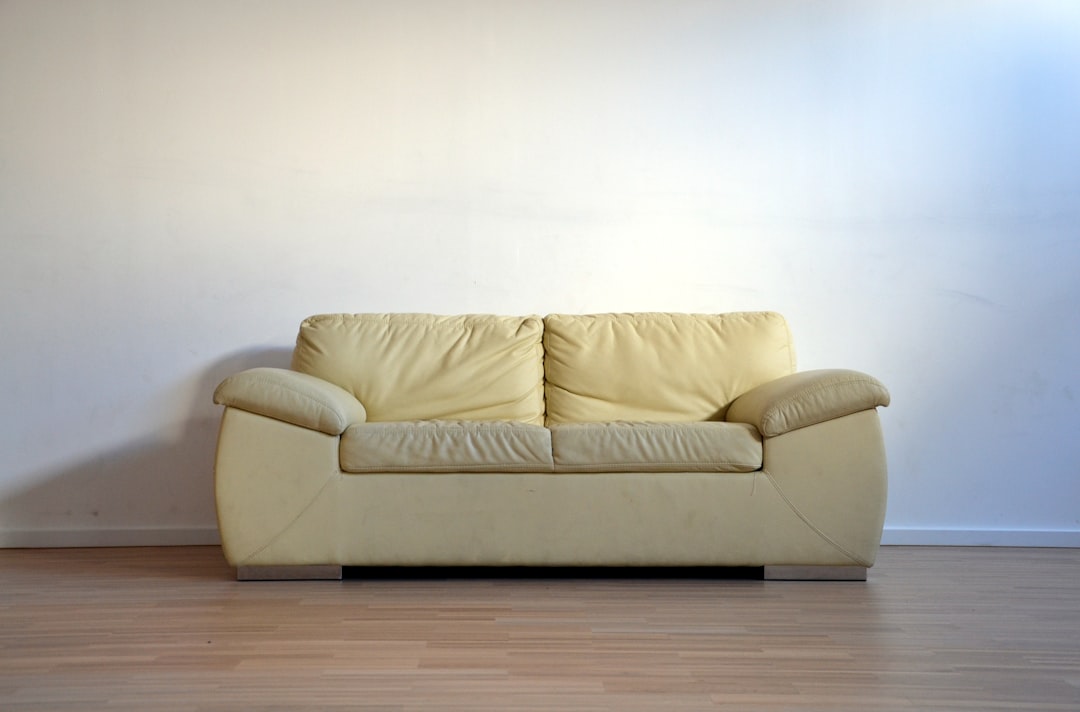
You vacuum the cushions, you wipe down the armrests, and still someone in the household is sneezing every time they sit down. The sofa looks fine. The problem is what you cannot see.
In Singapore's humidity, sofas become ideal breeding grounds for dust mites, mould spores and bacteria. The warm, moist air that settles into fabric fibres after the afternoon rain is exactly the environment these allergens need. A typical HDB or condo sofa sees heavy daily use, absorbs skin cells, sweat and pet dander, and almost never gets a proper deep clean.
Vacuuming lifts surface dust, but the allergens causing the most irritation sit 10 to 15 millimetres into the pile, well beyond the reach of any household vacuum. Getting them out requires heat, pressure and a method that extracts rather than just redistributes.
Why this matters: allergens embedded in your sofa are among the most concentrated in your home, and simply airing the room or wiping the surface does nothing to reduce them.
Highlights
- Sofas trap dust mites, dead skin cells, mould spores and pet dander deep in the fabric where vacuuming cannot reach.
- Singapore's high humidity accelerates dust mite breeding and encourages mould growth inside upholstery.
- Hot-water extraction removes about 96% of dust mites, soil and odour with no chemical residue.
- Our eco-friendly solutions are safe for babies, children, pets and anyone with sensitive skin.
- In-house IICRC- and CRI-certified technicians, quick-dry results, same-day and 24/7 service.
What is actually living in your sofa
Dust mites
Dust mites are the single most common indoor allergen source, and they thrive wherever humans spend time. A sofa offers them everything they need: warmth, moisture, and a steady supply of dead skin cells to feed on. In Singapore's climate, where relative humidity regularly sits above 75%, mite populations can build to significant levels inside even a well-maintained sofa within months.
The problem is not the mites themselves but the proteins in their droppings. Those proteins trigger the sneezing, itchy eyes and skin reactions that many people attribute to dust or "something in the air." Washing cushion covers helps at the surface, but the mites live in the filling and the fabric layers beneath.
Mould spores and bacteria
Any upholstery that gets damp and stays damp, from a spilled drink, a sweaty afternoon on the sofa, or simply condensation from an air-conditioner pointing at the couch, can develop mould inside the padding. You may never see it. You may just notice a faint musty smell, or persistent nasal irritation that clears up whenever you leave the room.
Our guide on how to prevent mould and mildew in your home covers the broader picture, but upholstery is one of the harder surfaces to deal with because the mould is often inside the material, not on it.
Pet dander and skin cells
Pet dander, the tiny flecks of dried skin shed by cats and dogs, is sticky, stays airborne for hours and settles deep into upholstery fibres. Even households without pets carry significant loads of human skin cells in their sofas, since the average person sheds millions of dead cells every day and a large share ends up in the furniture you sit on.
Why vacuuming is not enough
A good vacuum with a HEPA filter removes loose surface debris. It does not generate the heat or suction depth needed to dislodge mite droppings, mould spores and skin cells from the inner layers of a sofa cushion. Some vacuuming actions also disturb allergens and temporarily increase airborne concentration, which is the opposite of helpful for someone with a sensitivity.
The IICRC S300 Standard for Professional Upholstery Cleaning defines a professional upholstery cleaner as "one who applies specialised knowledge about upholstery components and construction, soiling" to determine the safest and most effective cleaning method. That knowledge matters because the wrong approach, over-wetting, using the wrong chemistry for a specific fabric, or scrubbing pile in the wrong direction, can damage the sofa permanently or leave residue that attracts more soil.
What DIY cleaning methods can and cannot do
Spray-on fabric fresheners mask odour without removing its source. Dry-powder products can reduce surface soil but leave residue if not extracted fully. Steam-only wands at a domestic scale rarely reach the temperatures or dwell times needed to reduce mite populations reliably, and they can over-wet padding, creating the moisture conditions that encourage exactly the mould you are trying to remove.
For a fresh spill on a polyester or synthetic weave, blotting immediately with a clean cloth is the right first step. For anything involving allergens, persistent odour, mould suspicion, or delicate fabrics like wool, linen or velvet, a professional upholstery cleaner is the appropriate call.
|
Cleaning method |
Reaches deep allergens |
Residue risk |
Safe for delicate fabrics |
Mould risk |
|---|---|---|---|---|
|
Vacuuming |
No |
None |
Yes |
None |
|
DIY spray + cloth |
No |
Medium |
Risky |
Low |
|
Dry-powder products |
Partially |
Medium if not extracted |
Risky |
Low |
|
Hot-water extraction (professional) |
Yes |
None |
Yes, when correctly matched |
Nil when done right |
How a professional upholstery cleaner removes sofa allergens
The hot-water extraction process
Our upholstery and sofa cleaning service uses hot-water extraction, the same certified method we apply to carpets and rugs. The technician first inspects the fabric type, checks for colourfastness, and pre-treats any stained areas. The extraction wand then injects hot water and eco-friendly cleaning solution into the fabric at pressure, and simultaneously vacuums the loosened soil, allergens and moisture back out in a single pass.
The result is that about 96% of dust mites, embedded soil and odour are removed, with no chemical residue left in the fabric. Because we extract the moisture rather than letting the sofa air-dry slowly, drying times are short and there is no window for mould to develop in the padding.
Safe for the whole household
We use eco-friendly solutions throughout. That means no harsh solvents, no optical brighteners and no fragrance maskers, just cleaning chemistry that is safe for babies, children and pets who press their faces into the sofa cushions every day. Our technicians are in-house and IICRC-certified, and we never sub-contract the job to another team.
For households that have been managing persistent odour from smoke or other sources, our article on smoke damage in soft furnishings and why the smell lingers explains why surface treatments rarely work and what extraction actually achieves.
When to book a professional clean
There is no single rule, but a few situations make it clear:
- Someone in the household has developed new or worsening nasal irritation, sneezing or itchy eyes without another obvious cause.
- The sofa has a faint but persistent musty smell that does not clear with airing.
- The sofa has not had a professional clean in more than 12 months and sees daily use.
- There has been a significant spill, especially anything involving liquid that soaked into the cushions.
- The household includes infants or crawling toddlers who spend time on the sofa fabric.
For a broader look at how often different surfaces in the home need professional attention, our guide on cleaning commercial and residential carpets and soft furnishings sets out a practical framework.
Frequently asked questions
Will professional upholstery cleaning shrink or damage my sofa fabric?
Not when the technician matches the cleaning method to the fabric. Our IICRC-certified team inspects the fibre type and checks for colourfastness before starting. Wool, linen and velvet need a gentler approach than synthetic weaves, and our technicians know the difference. Damage from a professional clean is nearly always the result of using the wrong method for the fabric, which is why certification and experience matter.
How long will my sofa take to dry after a professional clean?
Typically dry to the touch in four to six hours. We extract the moisture as part of the hot-water extraction process, which leaves far less water in the fabric than a DIY wet-cloth clean. Opening windows and keeping the air-conditioner running speeds things up. You can usually sit on the sofa again the same evening.
Is the cleaning safe for my baby and my pets?
Yes. We use eco-friendly, solvent-free solutions throughout and there is no chemical residue left in the fabric after extraction. The solutions we use are safe for babies, children and pets. If anyone in the household has a known chemical sensitivity, let us know when you book so we can confirm the specific products we plan to use.
How often should a sofa in a Singapore home be professionally cleaned?
For most households, once a year is a reasonable baseline. If you have young children, pets, or anyone with dust-mite or mould sensitivity, twice a year is a better interval. Singapore's humidity means allergen loads build faster here than in drier climates, so erring on the side of more frequent cleaning makes practical sense.
Can a professional upholstery cleaner remove old stains and odour completely?
In most cases, hot-water extraction significantly reduces both. How completely depends on the fabric, how long the stain has set, and what caused it. Tannin stains from tea or coffee respond well; bleach damage and some dye transfers cannot be reversed by any cleaning method. We will tell you honestly before we start what we expect to achieve, and our clean is backed by a 30-Day Delight money-back re-clean guarantee if you are not happy with the result.
Ready to give your sofa a proper deep clean? Contact Big Red today for a free, no-obligation quote. Call us on 6241 9443, WhatsApp 9222 9222, or email [email protected]. You can also

Engage the Best Professional Cleaning Service in Singapore
We are available 24/7. Contact us now to get a free quote!