
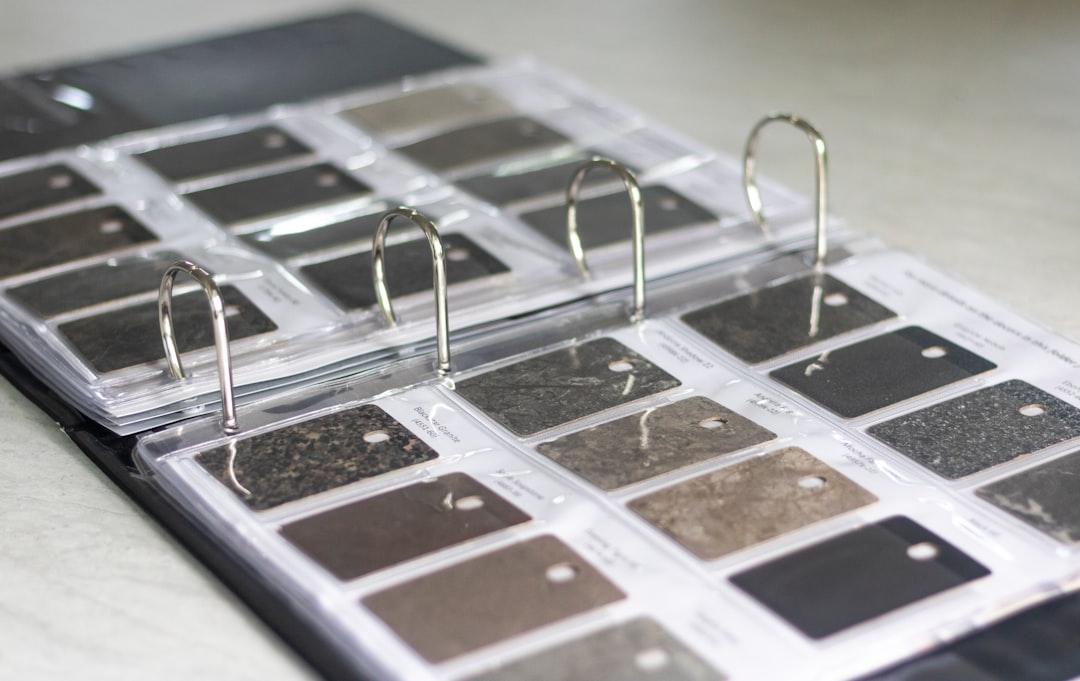
You have decided the old carpet needs to go. Maybe it is the worn-through traffic lanes in the hallway, the smell that no amount of cleaning will shift, or simply that it has been ten years and it shows. Whatever the reason, you are now facing a choice that feels bigger than it should: which carpet, which fibre, how much, and who fits it.
The good news is that most of the decisions reduce to a few practical questions: how much foot traffic does the room get, do you have children or pets, and how long do you want the carpet to last? Answer those honestly and the right fibre and pile almost choose themselves.
Why this matters: The carpet you choose and how well it is installed will determine not just how your home looks, but how easy it is to keep clean and how long it holds up in Singapore's humid conditions.
Highlights
- Singapore's humidity means moisture-resistant fibres and a good underlay are not optional extras.
- Synthetic fibres (nylon, polypropylene) handle heavy traffic and pet households better than wool in our climate.
- Accurate measurement matters: a poor cut wastes expensive material and creates visible seams.
- Professional installation includes stretching the carpet to prevent rippling, which DIY fitting rarely achieves.
- Singapore Carpet Cleaning has supplied and installed carpets for residential and commercial clients since 1986.
Choosing the right fibre for a Singapore home
Fibre choice is the decision that will follow you for the next decade, so it is worth spending a few minutes on it before you fall in love with a colour.
Nylon
Nylon is the workhorse of residential carpeting. It handles heavy foot traffic, resists crushing and bounces back well after furniture compression. It takes dye evenly, so colours stay true for years. If you have a busy household with children or pets, nylon is the most forgiving choice.
Polypropylene (olefin)
Polypropylene is naturally stain-resistant because the colour is baked into the fibre rather than dyed onto it. That makes it a sensible choice for dining rooms, playrooms and any space where spills are a given. It is also the most moisture-tolerant option, which matters in Singapore. The trade-off is that polypropylene crushes more easily under heavy furniture and does not have nylon's resilience in high-traffic corridors.
Wool
Wool is beautiful, naturally soil-resistant and long-lasting in the right conditions. The problem in Singapore is humidity. Wool absorbs moisture readily, which can lead to mould and browning if the room is not well air-conditioned or if the carpet is ever over-wetted during cleaning. It also costs significantly more than synthetic options. For bedrooms with consistent air-conditioning and low traffic, it can still be a worthwhile choice, but read our guide to caring for a wool rug in Singapore's humidity before committing.
|
Fibre |
Best for |
Humidity tolerance |
Relative cost |
|---|---|---|---|
|
Nylon |
High-traffic areas, pet households |
Good |
Mid |
|
Polypropylene |
Dining rooms, playrooms, damp-prone rooms |
Excellent |
Low–Mid |
|
Wool |
Low-traffic bedrooms, luxury finishes |
Poor without AC |
High |
Pile type and what it means for cleaning
Pile is the cut or loop structure of the carpet surface. It affects both how the carpet feels underfoot and how easy it is to maintain.
Cut pile
Cut pile (including the popular saxony and twist styles) has fibres that are cut at the top, giving a soft, plush feel. It is the most common choice for bedrooms and living rooms. The downside is that it shows footprints and vacuum lines, and can mat in very high-traffic areas over time.
Loop pile
Loop pile (Berber is the most recognised type) leaves the fibres uncut in a loop. It is durable, hides footprints and works well in corridors and commercial spaces. Snag risk is the main concern: a pulled loop can unravel a section of carpet, so it is not ideal for homes with cats.
Cut-and-loop
Cut-and-loop combines both, creating a textured pattern that hides soiling well. It is a practical middle ground for living rooms and open-plan areas.
Underlay
Do not skip the underlay. A good underlay extends the life of the carpet, adds cushioning underfoot and provides thermal insulation. In Singapore, choose an underlay with some moisture barrier properties. Our carpet supply and installation service includes underlay recommendation as part of the measure-and-quote process.
Getting the measurement right
Miscalculation is the most expensive mistake in a carpet installation. A room is almost never a perfect rectangle: doorways, alcoves, built-in wardrobes and bay windows all add complexity.
The standard approach is to measure the longest length and the widest width of each area, add 100–150 mm to each dimension to allow for trimming, and then account for pattern repeat if you are choosing a carpet with a directional design (the repeat can add 10–15% to material cost).
For most HDB and condo layouts, a professional measurer will also assess where seams will fall so they sit in low-visibility areas, typically away from doorways and the main sightlines from the entrance. A visible seam across the centre of a living room is a sign of poor planning, not a carpeting limitation.
If you are fitting carpet across multiple rooms or an open-plan space, the pile direction needs to run consistently, which requires planning the layout before a single piece is cut.
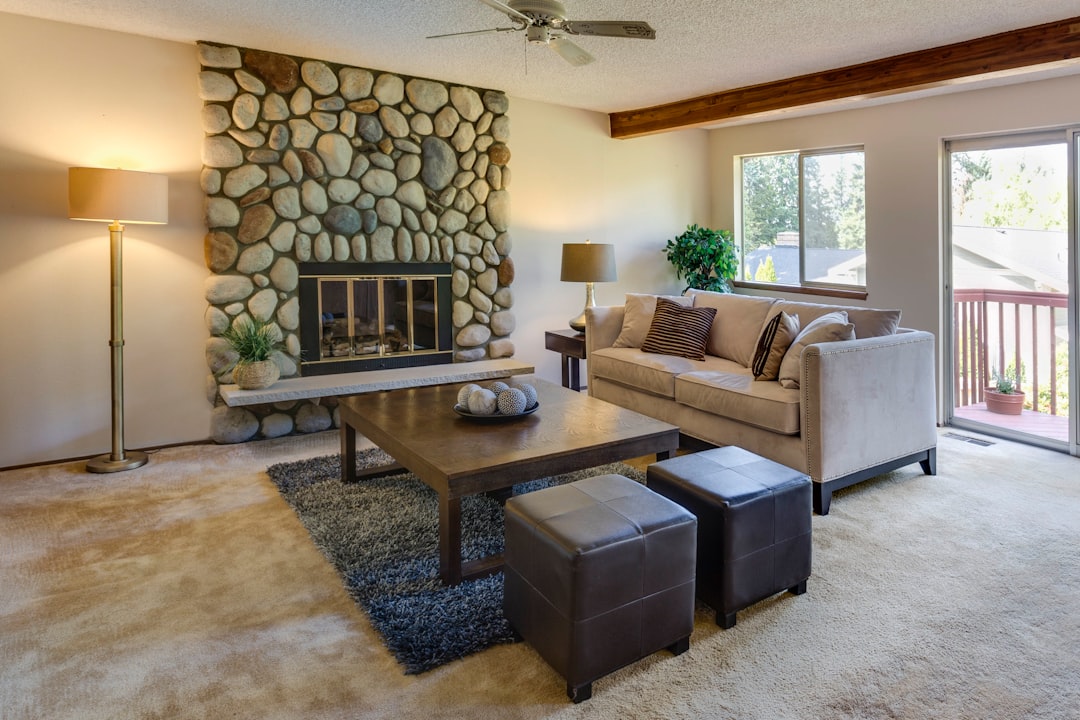
Installation: what professional fitting actually involves
A professional carpet installation is more than unrolling the carpet and trimming the edges. Done properly, it involves:
- Removing and disposing of the old carpet and underlay
- Preparing the subfloor (checking for protruding nails, loose tiles or uneven areas that would show through)
- Laying and securing the underlay
- Power-stretching the carpet across the room and securing it to tack strips at the perimeter
- Trimming precisely at door bars, skirting boards and transitions to other floor types
- Vacuuming the finished installation to lift the pile
The power-stretching step is what separates a professional installation from a DIY one. Without it, carpet relaxes over time and develops ripples, which are both a trip hazard and a sign that the carpet is wearing unevenly. Our team at Singapore Carpet Cleaning has been doing this since 1986, and we see the results of under-stretched installations regularly, usually when clients call us about a carpet that has started to buckle two or three years after a cheaper fitting.
For commercial spaces, the process is similar but the timeline matters more. Our commercial carpet supply and installation work covers what to plan for in an office or retail fit-out.
When to clean before you replace
Before you commit to a replacement, it is worth asking whether a professional clean might extend the life of the existing carpet. Many carpets that look worn are actually heavily soiled, and hot-water extraction can restore a surprising amount of colour and texture. If the backing is still intact and there are no structural problems (tears, permanent crushing, irreversible staining), a professional carpet cleaning can add years to a carpet's life at a fraction of the replacement cost.
If you are in any doubt, we can assess the carpet during a quote visit and give you an honest view of whether cleaning or replacement makes more sense.
Frequently asked questions
How do I know how much carpet I need for my home?
Measure each room's length and width at the widest and longest points, then add about 100–150 mm on each side for trimming. For rooms with alcoves, bay windows or irregular shapes, a professional measure is worth doing before you order. Pattern repeat on decorative carpets can add 10–15% to your total material requirement.
Is wall-to-wall carpet a good idea in Singapore's climate?
It can be, with the right fibre and underlay. Synthetic fibres like nylon and polypropylene handle Singapore's humidity well. The key is ensuring the room has adequate ventilation or air-conditioning, and that any spills are cleaned promptly. Wall-to-wall carpet in a poorly ventilated room with no AC is a mould risk regardless of fibre type.
Can I fit carpet over tiles or parquet?
Yes, in most cases. The subfloor needs to be clean, flat and dry. Carpet can be laid directly over tiles if the tile surface is smooth and the grout lines are not too deep, though a thicker underlay helps even out minor irregularities. Over parquet, the main concern is moisture: ensure the parquet is sealed and dry before laying carpet on top.
How soon can I walk on a newly installed carpet?
Immediately after installation, though it is sensible to avoid heavy furniture for 24 hours to allow the carpet to settle fully. Power-stretched carpet is ready to use straight away; the stretching is done before you walk out, not after.
How long should a residential carpet last?
A well-chosen, professionally installed carpet in a typical Singapore home should last 10–15 years with regular vacuuming and periodic professional cleaning. Heavy-traffic areas (hallways, living rooms) will show wear sooner than bedrooms. A good underlay and prompt stain treatment both extend that lifespan meaningfully.