
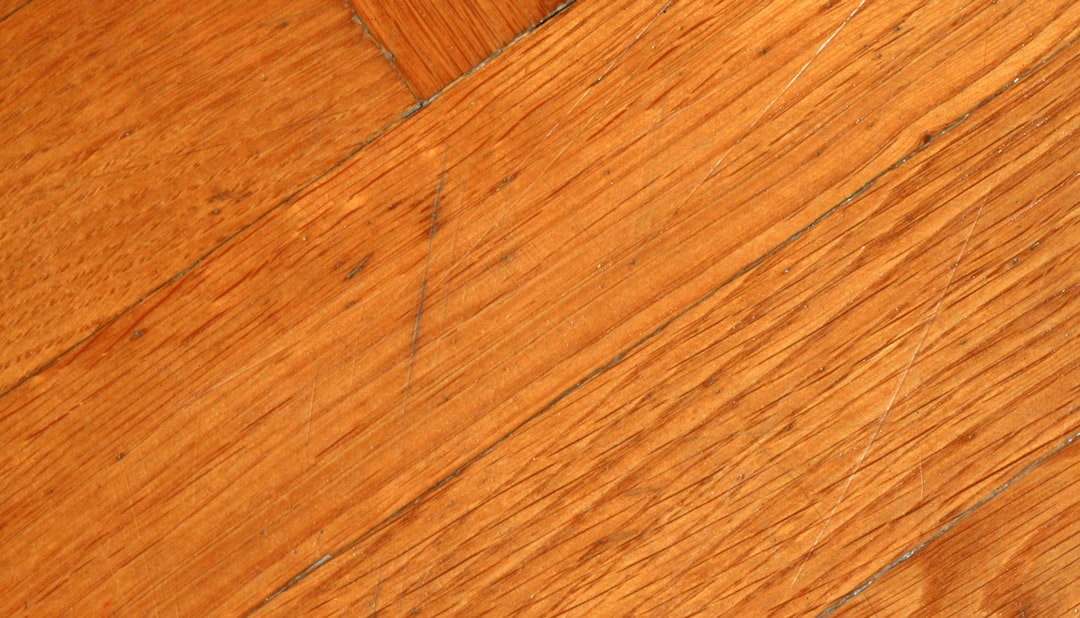
Your floors looked great when you moved in. Now the parquet has gone dull and slightly grey, the marble in the entryway has lost its depth, or the vinyl in the kitchen is scuffed beyond what mopping fixes. The frustrating part is not knowing whether it is a surface problem you can sort yourself or something that needs a professional.
The answer depends almost entirely on the floor type. Parquet, marble and vinyl fail for different reasons, respond to different methods, and carry different risks if you use the wrong one.
Why this matters: Applying the wrong polish to the wrong floor, wax on marble, for instance, or a DIY buffer on engineered parquet, can leave a residue that looks worse than the dull floor you started with. In the case of marble, it can seal in fine scratches that a professional would otherwise remove cleanly.
Highlights
- Parquet, marble and vinyl each need a different polishing method, one approach does not cover all three.
- Dull parquet is usually a coating issue; marble cloudiness is typically micro-scratching; vinyl scuffs sit on the surface layer.
- Professional floor polishing reaches the structural issues that buffing and wax products cannot.
- Hot-water extraction cleans deep pile and soft furnishings; diamond-pad grinding and crystallisation restore hard floors, these are different tools for different surfaces.
- Singapore's humidity accelerates parquet expansion, marble oxidation and vinyl coating breakdown, so floors here degrade faster than in drier climates.
How each floor type actually fails
Parquet: it is usually the coating, not the wood
Solid and engineered timber floors develop dullness in layers. The first sign is a loss of sheen that no amount of mopping restores. Left longer, fine scratches appear in the lacquer or polyurethane coating, and then grey patches where the coating has worn through entirely and moisture has begun to raise the grain.
The good news: if the wood itself is sound, the coating is replaceable. Professional parquet polishing involves light sanding to strip the degraded top layer, then recoating with a fresh finish. The result is a surface that reflects light cleanly again and has the protection the bare wood was missing.
Singapore's humidity is the complication. Timber expands and contracts with every swing in relative humidity, and over years this micro-movement causes the coating to crack at the joins. This is not a defect in the wood, it is physics. Keeping your home at a consistent 60–70% relative humidity slows the cycle, but it will not stop it.
Marble: cloudiness is micro-scratching, not dirt
Marble is porous and relatively soft compared to granite. What looks like a film or cloudiness on a marble entryway or bathroom floor is almost always a field of micro-scratches from foot traffic, grit carried in on shoes, and the abrasive cleaners that well-meaning residents use to try to fix it. Mopping and waxing do not touch it.
Restoring marble means re-grinding the surface at a microscopic level. Professional marble polishing uses a sequence of progressively finer diamond pads to remove the scratched layer, then a crystallisation compound to harden and seal the surface. Done properly, it restores the depth and clarity the floor had when new. Done badly, or with the wrong grit sequence, it leaves uneven reflectivity that is difficult to correct without starting over.
For a broader look at keeping marble in good condition across your home, our guide on caring for marble floors and countertops covers the day-to-day maintenance side.
Vinyl: surface scuffs versus coating breakdown
Modern vinyl plank (LVP) and sheet vinyl are more resilient than timber or marble, but the wear layer on top, usually 0.3 mm to 0.5 mm on a residential product, eventually dulls and scuffs. Light surface marks respond to a neutral cleaner and a microfibre mop. Deeper scuffs in the wear layer itself do not.
Vinyl cannot be sanded the way parquet can. The options are re-coating with a vinyl-specific polish or, if the wear layer is gone, replacement. A professional assessment tells you which side of that line you are on, trying to polish a vinyl floor whose wear layer has failed just moves the problem around.
Comparing methods: a quick reference
|
Floor type |
What causes dullness |
Professional method |
What DIY can do |
What only a professional fixes |
|---|---|---|---|---|
|
Solid / engineered parquet |
Coating wear, moisture infiltration |
Light sanding, recoat |
Clean surface marks, polish the existing coating |
Worn-through coating, deep scratches, cupping |
|
Marble |
Micro-scratches from grit and foot traffic |
Diamond-pad grinding, crystallisation |
Buff with a soft cloth, pH-neutral cleaner |
Scratched layer, etching, loss of depth and reflectivity |
|
Vinyl plank (LVP) / sheet vinyl |
Wear-layer scuffs, coating breakdown |
Re-coating or replacement assessment |
Surface cleaning, light vinyl polish |
Damaged wear layer, deep scuffs, delamination |
When to do it yourself and when to call a professional
The DIY line
For parquet, regular sweeping and an occasional clean with a timber-safe cleaner are genuinely effective at slowing coating degradation. For marble, a pH-neutral stone cleaner and a soft mop are the only safe regular options, any acidic cleaner (vinegar, citrus-based products) etches the surface and makes professional restoration harder.
For vinyl, a microfibre mop with a dilute neutral cleaner handles most everyday marks.
None of these, however, reverses damage that has already happened. A dull parquet floor that has lost its sheen will not come back from mopping. Cloudy marble will not clarify with wax. The point of good day-to-day maintenance is to extend the interval between professional restores, not to substitute for them.
When to call a professional
Call a professional when:
- The floor is visibly dull and the sheen does not return after a clean.
- You can see scratches in direct light that were not there a year ago.
- There is grey discolouration in parquet that suggests moisture has reached the wood.
- Marble has white haze or etching that was not caused by a single spill.
- Vinyl has scuffs that go through to the base layer.
Attempting to sand parquet without the right equipment and grit sequence risks tearing through the veneer on engineered boards. Attempting marble polishing with a domestic buffer and a generic compound risks uneven reflectivity. These are the two most common and most costly mistakes residents make.
We cover why professional carpet and upholstery cleaning matters for similar reasons, the principle is the same across floor and soft-furnishing care: the right equipment and trained hands achieve results a DIY attempt cannot, and prevent the damage a wrong technique causes.
What floor polishing in Singapore actually involves
Our parquet polishing service and marble polishing service are separate processes with different equipment, carried out by in-house technicians who assess the floor condition before any machine touches the surface. There is no sub-contracting.
For parquet, the sequence is: assess coating condition and moisture levels, sand lightly to remove the degraded layer, clean and dry thoroughly, apply the new coating in thin passes, and cure. For marble, it is: inspect for cracks and deep etching, grind with a diamond-pad sequence (starting coarse, finishing fine), apply crystallisation compound, and buff to the target sheen level.
Both services leave the floor in better structural condition than when we arrived, not just superficially cleaner. If you are also dealing with soft-furnishing or carpet cleaning in the same space, there are real efficiencies in scheduling both together. The floor work and the carpet cleaning can be sequenced so each surface has time to fully cure and dry before it is walked on.
Frequently asked questions
How do I know if my parquet needs polishing or replacing?
If the wood itself is sound and flat, polishing is almost always the right answer. The signs that replacement is necessary are cupping (the boards have lifted at the edges), severe cracking between boards, or moisture damage that has reached the subfloor. A technician can assess this in a few minutes on-site, the distinction between a coating problem and a structural one is usually obvious with the right tools.
Can marble be polished back to a mirror finish after years of dullness?
In most cases, yes. The diamond-pad grinding process removes the scratched surface layer and restores clarity. How close to a mirror finish depends on the depth of the existing scratches and whether there is any etching from acidic cleaners. Some etching responds fully; deep etching may improve significantly but not completely. A realistic assessment before work begins is part of what a professional service provides.
Is floor polishing disruptive, how long does the space need to be cleared?
Parquet polishing requires the room to be completely clear of furniture, and the recoated floor needs to be kept dry and unwalked for a few hours after the final coat. Marble polishing is faster to return to use, typically in a few hours. Your technician will confirm the specific dry time for your floor and coating on the day.
How often should floors in a Singapore home be professionally polished?
For parquet in high-traffic areas (hallways, living rooms), every two to four years is a common interval, depending on the coating type and how much foot traffic the floor takes. Marble in an entryway, which takes the worst of the grit brought in from outside, typically benefits from a professional polish every one to three years. Vinyl rarely needs polishing at that frequency, more often it needs a professional assessment of whether re-coating or replacement is the better path.
Does humidity in Singapore make floors degrade faster?
Yes. Timber floors expand and contract with humidity changes, which stresses the coating at the joins and accelerates wear. Marble is not directly affected by humidity but the grit and moisture tracked in during Singapore's wet seasons increase micro-scratching. Keeping indoor humidity controlled and removing grit promptly both extend the time between professional polishes.
Ready to restore your floors?
Big Red's in-house technicians assess your parquet, marble or vinyl before any machine touches the surface, so you get an honest recommendation and the right treatment first time. Get a free quote, call us on 6241 9443, WhatsApp 9222 9222, or email [email protected].