
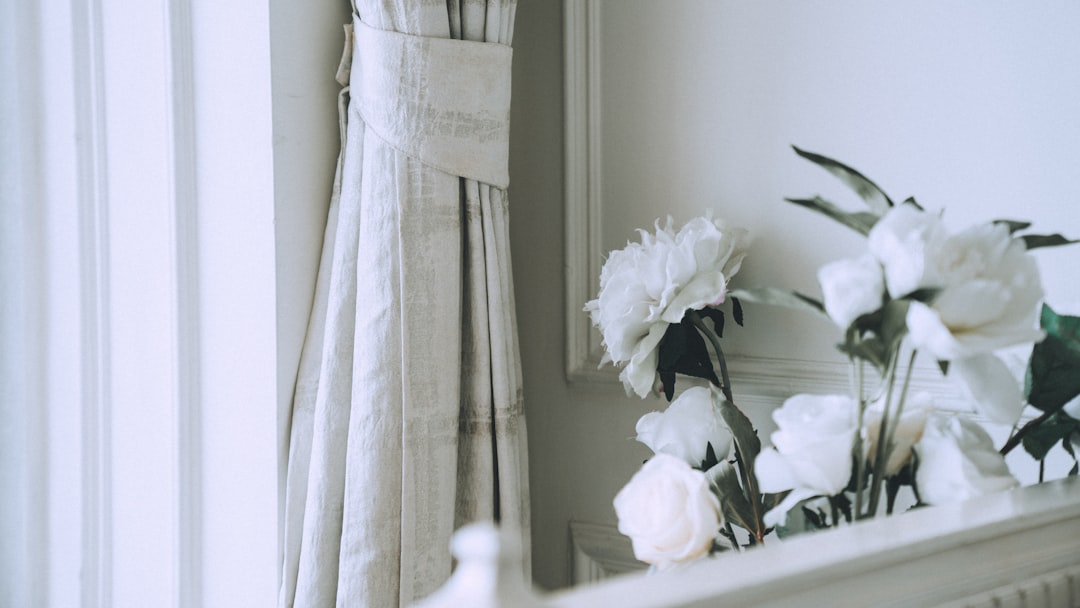
Most Singapore homeowners are reasonably diligent about vacuuming the floor and wiping down surfaces, but curtains tend to get forgotten until they look visibly grey or start to smell musty after the monsoon. By that point, they have been quietly accumulating dust mites, mould spores, cooking fumes and airborne grease for months, sometimes years.
The question we hear most often is not really just about curtains. It is a broader one: how often should a whole-house soft-furnishing clean be done? Carpets, sofas, mattresses, curtains, they all trap the same load of allergens and humidity-driven grime, and they all benefit from a schedule rather than a reaction.
This guide focuses on curtains and drapery, the item most commonly skipped in that whole-home audit, and explains what a sensible cleaning frequency looks like room by room in Singapore's climate.
Why this matters: In a humid, tropical home, curtains act as the first filter for every particle that enters through an open window or air-con vent, and an unwashed curtain recirculates that load back into the air your family breathes every day.
Highlights
- Singapore's average relative humidity sits above 80%, which accelerates mould growth and dust-mite colonies in soft furnishings.
- Most curtains in Singapore homes need a professional clean every 6–12 months, depending on room use and fabric type.
- A whole-house soft-furnishing clean (curtains, carpets, upholstery, mattresses) once or twice a year is the realistic minimum for a healthy indoor environment here.
- Hot-water extraction removes around 96% of dust mites, soil and odour with no chemical residue, and curtains dry to the touch in 4–6 hours.
- Our eco-friendly solutions are safe for children and pets, and we never sub-contract: your home is cleaned by in-house, IICRC- and CRI-certified technicians.
Why Singapore's climate changes the whole calculation
Humidity is the variable most cleaning guides ignore
The frequency advice you find in overseas guides, deep-clean carpets every 12 to 18 months, according to the Carpet and Rug Institute via The Spruce, is written for temperate climates with humidity levels well below Singapore's. Here, the year-round average sits above 80%, and it climbs higher during the northeast and southwest monsoon seasons.
That humidity matters because mould spores and dust mites both thrive in warm, moist conditions. Curtains hang in exactly the spots where humid outdoor air meets the cool, air-conditioned interior: at the window edge, where condensation forms on the glass and moisture wicks into the fabric. A linen or cotton curtain in a bedroom facing west, catching afternoon sun and sea breeze, is under constant moisture stress in a way that a curtain in a climate-controlled UK living room simply is not.
Cooking fumes and air-con circulation add to the load
In a typical HDB flat or condo with an open-plan kitchen, cooking fumes travel freely and deposit a fine film of airborne grease on any soft surface within range. Curtains in a living-dining area near the kitchen pick this up faster than most homeowners realise, and the grease acts as a binder that holds dust and makes it harder to remove with vacuuming alone.
Air-conditioning compounds the problem by recirculating indoor air. Every particle of dust, pet dander or mould spore that the system pulls in gets redistributed through the room, and curtains, large, porous and stationary, catch a disproportionate share of it.
A room-by-room frequency guide for Singapore homes
Bedroom curtains: every 6 months
The bedroom is where most of us spend eight hours a night, and it is typically where dust-mite populations are highest. Curtains in a bedroom are close to the bed, often drawn at night, and absorb body heat and humidity from a sleeping person. We recommend a professional clean every six months for bedroom curtains, especially if anyone in the household has asthma or allergies.
For a sheer or voile panel, a gentle wash cycle may be fine if the care label permits it. For lined curtains, pencil-pleat headings or anything with interlining, professional cleaning is almost always the safer call: the risk of shrinkage, loss of shape or mould forming inside the lining during a slow home-dry is real.
Living room and dining room curtains: every 6–9 months
Living room curtains in a non-cooking open-plan space can usually stretch to every nine months if the windows are kept closed and the household does not have pets. Add a dog or cat, and you are back to six months, pet dander accumulates quickly in heavy fabric.
If the living area is open to the kitchen, treat it the same as the kitchen (see below).
Kitchen curtains or café blinds: every 3–4 months
These need the most frequent attention of any soft furnishing in the home. Cooking fumes, steam and splatter load them quickly, and grease-impregnated fabric is harder to clean the longer it sits. A lightweight cotton or polyester kitchen curtain can often be machine-washed at home if the care label allows. A lined panel, a Roman blind or a heavier fabric near the hob warrants professional cleaning every three to four months.
Study, helper's room or secondary bedroom: every 9–12 months
Lower occupancy and less cooking exposure mean these rooms can be pushed to an annual clean in most cases, or slightly more often if the room has a window that stays open and catches prevailing wind and rain.
How this fits into a whole-house cleaning schedule
A sensible whole-house answer to how often a full soft-furnishing clean should be done is this: once or twice a year for most Singapore homes, with higher-traffic or higher-humidity rooms done more frequently. That schedule aligns with the pattern we see across the 35+ years we have been cleaning homes and commercial spaces on the island: households that book a whole-home clean at the start of each monsoon season (June and December) consistently maintain fresher, healthier interiors than those who clean reactively.
For the flooring side of that whole-home audit, professional carpet cleaning follows a similar logic: high-traffic areas every six months, quieter rooms annually. And if you are already thinking about the whole house, upholstery cleaning and mattress cleaning sit naturally in the same schedule, one visit, one drying window, everything fresh at once.
What a professional curtain clean actually involves
On-site hot-water extraction vs take-down and launder
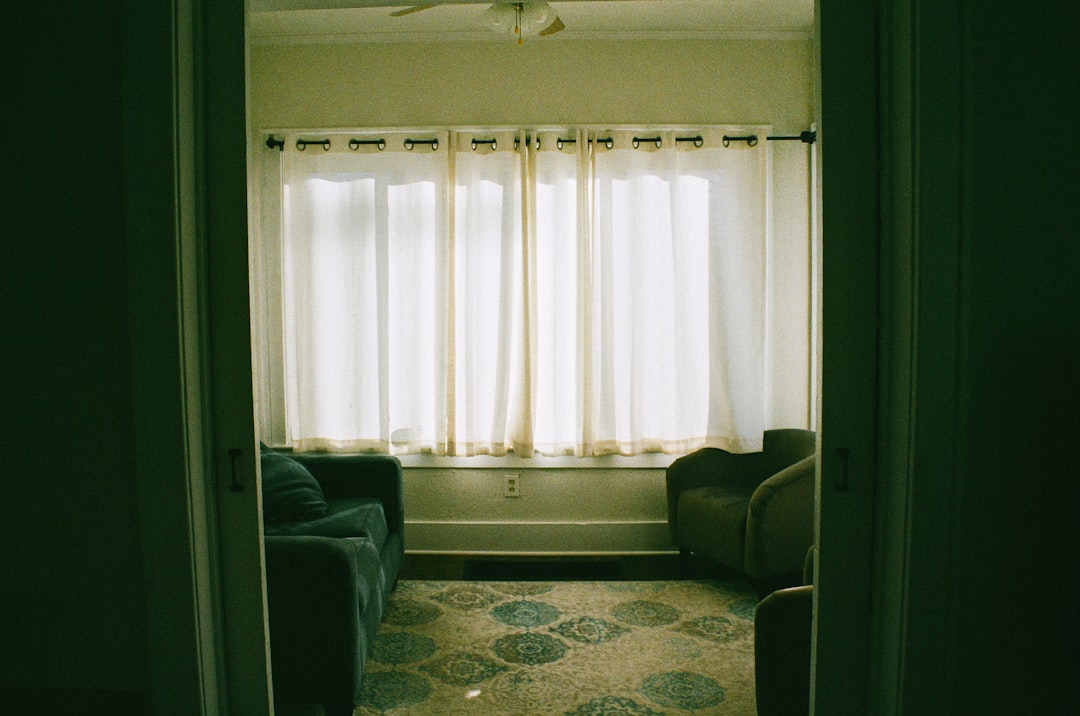
For most curtains in Singapore homes, we use hot-water extraction on-site: the curtain stays on the track, the technician works panel by panel with a hand tool, and the fabric dries to the touch in 4–6 hours. There is no shrinkage risk from a wash cycle, no creasing from machine tumbling, and no re-hanging required.
For heavily soiled panels, or where the care label specifies dry-clean only, we use a dry-cleaning or encapsulation method that leaves no moisture in the fabric at all. The right method depends on the fibre: cotton and polyester tolerate hot-water extraction well; silk, velvet and heavily embroidered panels need a gentler approach.
What it removes that a wipe-down cannot
A surface wipe with a damp cloth lifts visible dust from the face of the fabric. It does not reach the dust mites, allergens and mould spores that live deeper in the pile or the lining. Hot-water extraction, at the temperatures we use, helps remove dust mites and flushes debris out of the fabric rather than redistributing it.
The solutions we use are eco-friendly and leave no chemical residue, important in a bedroom where children sleep close to the curtain, or in a home with pets that brush against the panels.
DIY versus professional cleaning: the honest comparison
|
Factor |
DIY (machine wash or wipe) |
Professional on-site clean |
|---|---|---|
|
Reaches the lining and pile |
No |
Yes |
|
Risk of shrinkage or shape loss |
Moderate to high |
Low |
|
Drying time |
24–48 hours |
4–6 hours |
|
Removes dust mites and mould spores |
Partially |
Around 96% removed |
|
Safe for silk, velvet, lined panels |
Often not |
Yes, with correct method |
|
Rehang required after |
Yes |
No (cleaned in place) |
For lightweight polyester or cotton sheers with a straightforward care label, a cool machine wash every few months is a perfectly reasonable interim measure between professional cleans. But for lined drapery, Roman blinds, tab-top panels in heavier fabric, or anything in a bedroom used by someone with allergies, a professional clean is the lower-risk and more effective option.
If you want practical guidance on keeping soft furnishings in better shape between visits, the tips in our carpet cleaning guide for pet owners translate well to curtains too. And if you are dealing with a musty smell after the monsoon, the approach is the same as for smoke damage in soft furnishings: the odour is embedded in the fibre, and surface treatment will not shift it fully.
For those weighing up the full range of methods, our overview of upholstery cleaning methods covers the trade-offs in more detail.
A well-maintained curtain is not just a visual detail. In Singapore's climate, it is part of the indoor air quality of your home, and keeping it clean on a sensible schedule is one of the quieter but more effective things you can do for the people who live there.
Frequently asked questions
How often should curtains be professionally cleaned in a Singapore HDB flat?
For most rooms, every 6–9 months is the right interval. Bedrooms and rooms with higher humidity or cooking exposure benefit from every six months. A lightweight sheer in a low-traffic study can stretch to twelve months. The key driver in Singapore is the humidity: soft fabrics absorb moisture and accumulate mould spores faster than in temperate climates.
Can I just machine-wash my curtains instead of calling a professional?
For lightweight cotton or polyester panels with a machine-washable care label, a cool wash is a reasonable interim clean. Lined curtains, pencil-pleat headings, Roman blinds, and any fabric labelled dry-clean only should go to a professional: the risk of shrinkage, lining damage or mould forming during a slow home-dry outweighs the convenience.
How long do curtains take to dry after a professional clean?
With hot-water extraction on-site, most curtains are dry to the touch in 4–6 hours. We clean the panels in place on the track, so there is no re-hanging involved. For dry-cleaning or encapsulation methods, the fabric is essentially ready to use immediately.
Is professional curtain cleaning safe for children and pets?
Yes. The solutions we use are eco-friendly and leave no chemical residue once the fabric dries. Hot-water extraction relies on heat and high-pressure water rather than chemical saturation, so it is safe for households with young children, babies and pets.
Does a whole-house soft-furnishing clean have to be done all at once?
Not necessarily, but there is a practical case for combining it: curtains, carpets, upholstery and mattresses all share a 4–6 hour drying window, so doing them together means one disruption to the household rather than four. Many of our clients book a combined clean at the start of each monsoon season so the whole home is fresh at once.
Ready to book a curtain clean?
Get in touch with Big Red Carpet Cleaners for a free, no-obligation quote. Our in-house technicians serve homes and commercial premises island-wide, seven days a week.
- Request a free quote: /big-red-express-quote/
- Call us: 6241 9443
- WhatsApp: 9222 9222
- Email: [email protected]