
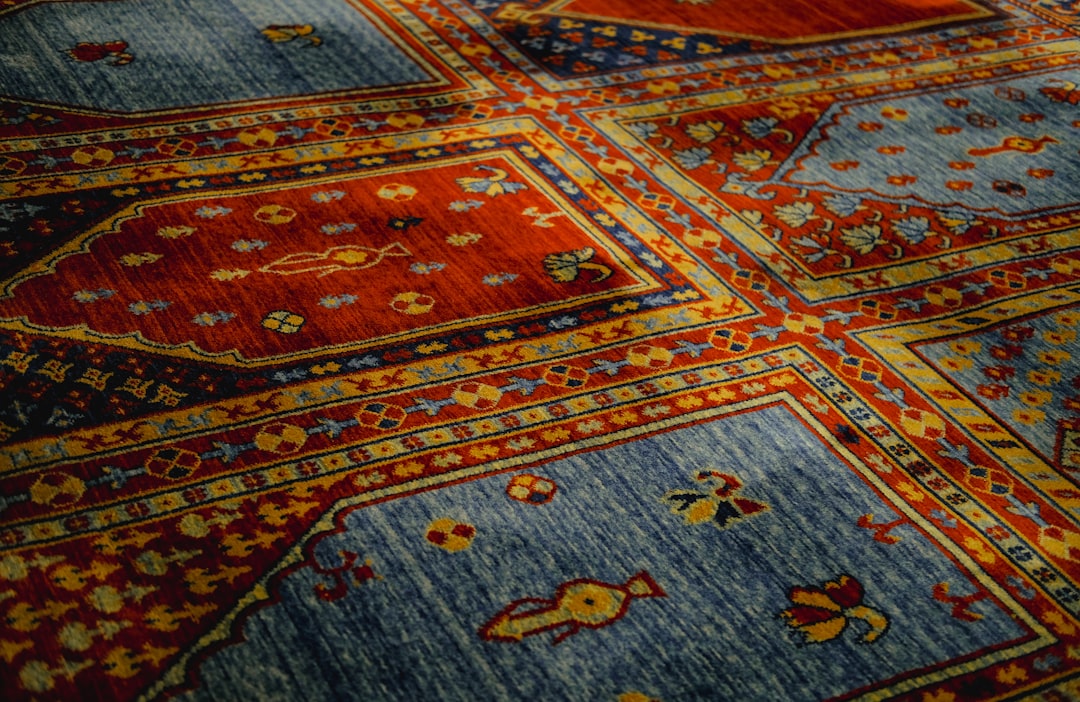
You've just moved into a new condo, or inherited a hand-knotted Persian from a relative, and the rug needs freshening up. So you call a cleaner. The question is: how do you know whether the person who arrives actually understands what they're holding?
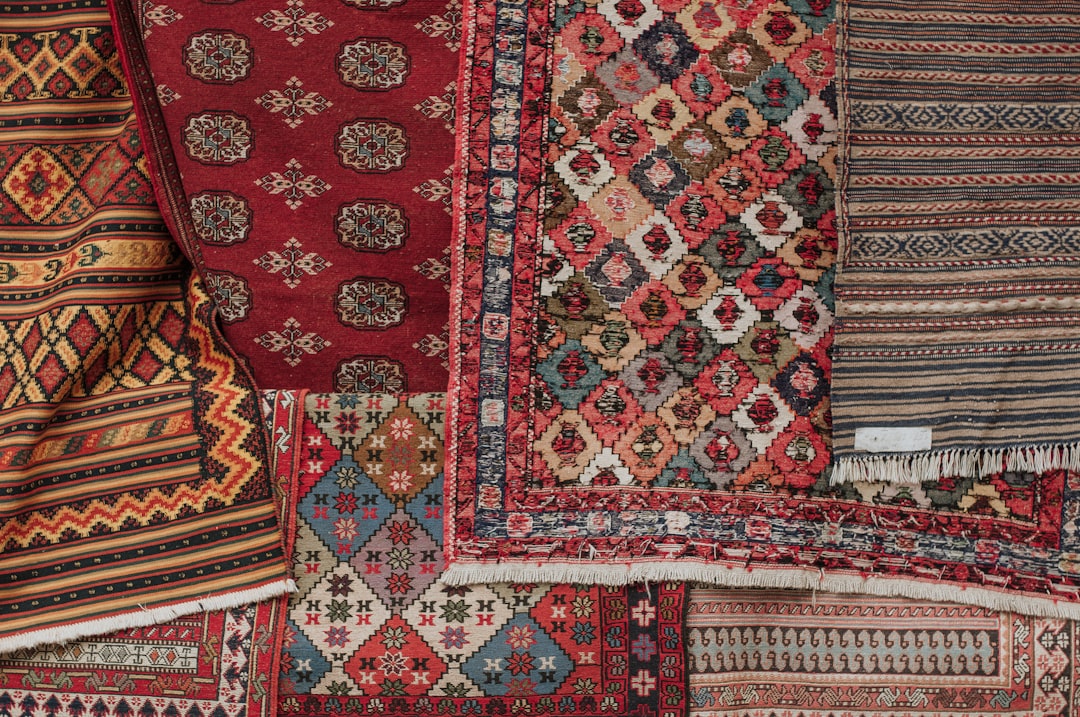
Persian and Oriental rugs are not wall-to-wall carpet. Many are hand-knotted from wool, silk or cotton, dyed with natural or synthetic pigments that behave very differently under water and heat. A technician who treats one like a synthetic broadloom risks colour bleed, pile distortion, shrinkage or a ruined fringe, damage that is often permanent.
This is where the pre-clean assessment separates a specialist rug cleaner from a generic carpet van. Before we touch any Persian or Oriental rug, our technicians run through a structured checklist. Here is exactly what that looks like, and why each step matters.
Why this matters: the wrong cleaning method on a hand-knotted rug can cause irreversible colour bleed, pile felting or structural damage. A two-minute assessment beforehand prevents a permanent mistake.
Highlights
- Persian and Oriental rugs need fibre, dye and construction checks before any cleaning begins.
- Our technicians test for dye stability before applying water or any cleaning solution.
- Hot-water extraction is adapted for rugs: lower pressure, specialist solutions, controlled drying.
- Our eco-friendly solutions are safe for wool, silk blends, natural dyes and delicate fringes.
- In-house IICRC- and CRI-certified technicians, same-day and 24/7 service available.
Step one: fibre identification
The first thing a trained technician does is identify the fibre. Wool, silk, cotton, jute and synthetic blends all absorb water and respond to cleaning agents differently. Wool is forgiving but prone to shrinkage if over-wetted; silk is fragile and can lose its sheen if treated with the wrong pH; cotton warps when saturated.
How we identify the fibre
Experienced technicians do not rely on the label alone, if there is one at all. The physical tests used are:
- Burn test: a single pulled strand burns differently depending on the fibre. Wool chars and smells of burnt hair; synthetic melts and beads.
- Feel and lustre: silk has a characteristic cool, smooth hand and a sheen that shifts with the light. Wool has a slight roughness and spring.
- Pile density and knot count: hand-knotted rugs have an irregular pile base visible from the back. Machine-made rugs have a uniform, often latex-backed structure.
Getting fibre ID right determines every subsequent decision: which cleaning agent, what water temperature, how much moisture, how long to dry.
Step two: dye stability testing
This is the single most important check for a Persian or Oriental rug, and the one most often skipped by non-specialists.
Many traditional rugs, particularly older Persian, Afghan, Turkish and Indian pieces, are dyed with natural pigments that are not colourfast by modern standards. Some synthetic dyes used in mid-century rugs are similarly unstable. Apply water or a standard carpet cleaning agent and the colour migrates: red bleeds into cream, indigo bleeds into rust, and the pattern is gone.
The dye test
Our technicians apply a small amount of water and mild solution to an inconspicuous area, typically a corner of the pile or the back, and blot it with a white cloth. Any colour transfer on the cloth means the dye is unstable, and the cleaning method must be adjusted accordingly. A dry-cleaning or low-moisture encapsulation method may be safer than hot-water extraction for that specific rug.
This is one reason professional rug and upholstery cleaning cannot simply follow a standard operating procedure for every job. The assessment drives the method, not the other way around.
Step three: construction, pile direction and fringe condition
Beyond fibre and dye, our technicians look at three structural details that affect how a rug should be cleaned and handled.
Pile direction
Every rug has a natural pile direction, the way the fibres lie when stroked. Cleaning against the pile can cause the surface to appear dull or patchy, a common complaint from clients who've had a rug cleaned elsewhere. We always clean with the pile direction, and we check it before we begin.
Backing and foundation
The warp and weft (the foundational threads) of a hand-knotted rug are often cotton or wool. Cotton warps shrink dramatically when soaked. If a rug is cleaned while lying flat on a wet surface, or dried in a way that allows the backing to hold moisture, you get distortion, rippling or, in the worst cases, dry rot. We inspect the back of every rug for existing damage, brittleness or weak spots before cleaning.
Fringe condition
Fringes on Persian and Oriental rugs are not decorative additions: they are the exposed ends of the warp threads that form the structure of the rug. Aggressive cleaning or mechanical brushing can cause them to break, matt or discolour. If the fringe is already fragile or yellowed, we clean it by hand with a gentler approach, rather than running it through the same extraction pass as the pile.
Step four: choosing the right method
Once the assessment is complete, the cleaning method is selected. This is not a one-size-fits-all decision. The choice depends on everything identified in the previous steps.
|
Factor |
Hot-water extraction |
Low-moisture encapsulation |
Hand washing |
|---|---|---|---|
|
Stable dyes, wool or synthetic pile |
Best choice |
Suitable for light soil |
For delicate or antique pieces |
|
Unstable or natural dyes |
Adjust: cooler water, milder agent |
Often preferred |
Preferred for very sensitive rugs |
|
Silk or silk-blend rugs |
Use with care, low pressure |
Good option |
Ideal |
|
Heavy soiling, embedded grit |
Most effective |
Less effective on deep soil |
Effective with time |
|
Fringe condition fragile |
Hand-clean fringes separately |
Suitable |
Preferred |
For most Persian and Oriental rugs in Singapore homes, hot-water extraction remains the most thorough method for lifting embedded soil, dust mites and odour from the pile, as long as it is applied correctly: lower pressure than for broadloom, appropriate solution pH for the fibre, and controlled extraction to avoid over-wetting. Our IICRC-certified technicians are trained in exactly these adjustments.
For antique or particularly delicate pieces, or where dye tests show instability, we recommend either a rug repair and restoration assessment first or a low-moisture method that minimises the risk to the dye and foundation.
When to call a professional, and when to wait
A light dust and a careful shake outdoors is fine for routine upkeep. Vacuuming on a low-suction setting, with the beater bar off, once a week keeps surface grit from grinding into the pile. That is genuinely useful home care, and it prolongs the interval between professional cleans.
But the moment a spill penetrates the pile, a musty smell develops, or a rug hasn't been professionally cleaned in more than two years, the risk of leaving it shifts. Grit embedded at the knot level acts as an abrasive every time someone walks on the rug: it cuts the fibres from the inside. And Singapore's humidity means moisture that isn't fully extracted becomes a mould risk.
If you have had a rug cleaned elsewhere and it came back with colour bleeding, a stiff pile or rippled backing, those are signs the pre-clean assessment was rushed or skipped entirely. It is worth reading about what separates good professional cleaning from a cheap job before you hand over a valuable piece again.
According to ISSA, the Association for Cleaning and Facility Solutions, certified professionals attract clients specifically looking for experts, and certification leads to measurable differences in cleaning outcomes compared with uncertified providers. That matters most when the item being cleaned is irreplaceable.
Frequently asked questions
Can all Persian and Oriental rugs be cleaned with hot-water extraction?
Most can, but the method must be adapted. Our technicians run dye stability and fibre tests first. Rugs with unstable natural dyes, silk content, or fragile fringes may need a low-moisture method instead. The assessment drives the decision: we do not apply a single method to every rug regardless of what it is made of.
How long does a Persian or Oriental rug take to dry after cleaning?
Typically four to six hours for a wool-pile rug cleaned with hot-water extraction in a well-ventilated space. Silk-blend rugs cleaned with low-moisture methods dry faster. We never return a rug to a floor until it is fully dry: residual moisture in the backing is the main cause of mould and rippling in Singapore's humidity.
How often should I have a valuable rug professionally cleaned?
For a rug in regular use in a Singapore home, once every one to two years is a reasonable interval if you vacuum regularly and deal with spills promptly. High-traffic areas, households with children or pets, or rugs near the front door may need attention more often. Related: our guide on how often commercial and residential carpets need cleaning covers this in more detail.
What should I do with a spill on a Persian rug before the technician arrives?
Blot immediately with a clean white cloth, working from the outside of the spill inward. Do not rub: rubbing drives the spill deeper into the pile and can distort the knots. Do not apply any commercial stain remover without checking it is safe for natural dyes. Cool water on a cloth is the safest first response. Then call us: our carpet stain removal service covers rugs as well as broadloom.
Is the cleaning solution safe for an antique rug with natural dyes?
Yes, provided the dye test confirms stability. We use eco-friendly, pH-balanced solutions that are safe for wool, cotton and most natural dyes. Where the dye test shows any transfer, we switch to a lower-moisture method and a milder agent. We do not use optical brighteners or bleach-based products on any rug.
Ready to have your rug assessed and cleaned?
Big Red Carpet Cleaners has been caring for Persian, Oriental and hand-knotted rugs across Singapore since 1986. Our in-house IICRC- and CRI-certified technicians carry out every job themselves, nothing is sub-contracted. Every clean is backed by our 30-Day Delight guarantee: if you are not satisfied, we return to re-clean at no charge.
Get a free quote or contact us directly:
- Call: 6241 9443
- WhatsApp: 9222 9222
- Email: [email protected]