

You notice a dark ring where a coffee cup sat overnight, or a dull patch where someone spilled lime juice during a meal. Your first instinct is to reach for a spray cleaner and scrub it out. On marble, that instinct is often what turns a fixable problem into a permanent one.
Marble is calcium carbonate, which means it reacts chemically with any acid it touches. Singapore kitchens and bathrooms put that chemistry under pressure every day: citrus juices, vinegars, bathroom cleaners and even some tile sprays all etch the surface on contact. The result looks like a stain, but it is actually physical damage to the stone.
Knowing whether you are dealing with a stain or an etch, and knowing which type of stain you have, is the difference between a quick fix and an expensive repair.
Why this matters: The most common cause of irreversible marble damage in Singapore homes is not the original spill, it is the wrong cleaning product used in the next five minutes.
Highlights
- Not all marks on marble are stains: acid etching is physical surface damage, not a spill, and it needs polishing, not cleaning.
- Coffee, tea and red wine leave organic stains that often lift with a hydrogen-peroxide poultice on light marble.
- Rust, cooking oil and ink each need a different treatment: the wrong one drives the mark deeper.
- Acid-based products (vinegar, citrus sprays, many bathroom cleaners) permanently dull polished marble on contact.
- Professional marble polishing is the only reliable way to remove deep etching and restore the surface sheen.
The etch-versus-stain distinction (this one is worth getting right)
A stain is a foreign substance absorbed into the pores of the stone. A scratch or spill of coloured liquid, cooking oil or rust leaves a stain. You treat it by drawing the contaminant back out.
An etch is different. Acid dissolves the calcium carbonate at the surface, leaving a dull, rough patch where the polished finish used to be. The marble is not dirty, it is damaged. No amount of cleaning will restore the shine because the shine is gone. Only polishing can bring it back.
In Singapore, etching is extremely common. Bathroom marble meets acidic toilet cleaners and citrus-based soap scum removers. Kitchen marble meets lime juice, tamarind, tomato and vinegar on a near-daily basis. If the mark looks like a whitish haze or a dull patch rather than a coloured spot, you are almost certainly looking at an etch, not a stain.
Stains that often come out: what you can attempt at home
If you have identified a genuine stain (a coloured mark, not a dull patch), the type of stain determines the treatment. The key is to keep moisture off the marble between attempts and to test any product on a hidden section first.
Coffee, tea and red wine
Organic stains from beverages are among the more cooperative marks on marble, provided they are fresh. Blot, never rub, as much of the liquid as you can immediately. On light-coloured marble, a poultice of 12% hydrogen peroxide mixed with a few drops of household ammonia, spread over the stain and covered with cling film for 24 hours, will often lift the colour. Rinse thoroughly with plain water and dry immediately.
On darker marble, skip the peroxide: it can bleach the background colour. Use a plain flour-and-water poultice instead, which draws the stain up by capillary action. Results are slower but safer.
Cooking oil and grease
Oil absorbs into porous stone and darkens the surface. It does not respond to peroxide. A poultice made from acetone or a specialist stone degreaser mixed with an absorbent powder (unscented talc works) is the standard approach: leave it covered for 24 to 48 hours, then rinse and dry. Expect to repeat the process two or three times on older grease marks.
Oil stains that have been sitting for weeks or months are harder. They may lighten significantly without disappearing entirely. If you are learning how to remove stains from marble floor surfaces in Singapore that have been there a long time, tempering your expectations is as important as choosing the right product.
Rust
Rust stains (orange-brown marks, often from the base of a metal pot, can or ornament) are among the most stubborn on marble. Commercially available rust removers work on most surfaces because they contain acid. On marble, that acid does secondary damage the moment it makes contact. Do not use them.
A specialist iron-stain remover formulated for natural stone (available at stone-care suppliers) is the only safe option. Even then, results on dark or set-in rust marks are mixed. If the mark is not responding after two attempts, a professional assessment is the practical next step.
Ink and dye
Pen marks and dye transfer (from coloured fabric or newspaper left wet on the floor) are solvent-responsive. Acetone on a clean white cloth, blotted gently, removes many ink stains on light marble. For dark marble, use acetone sparingly and check for any lightening of the background.
Marks that will not come out: be honest about the limits
Some damage on marble is beyond what any cleaning can fix. Recognising these early saves you the cost of products that cannot help and the risk of making things worse.
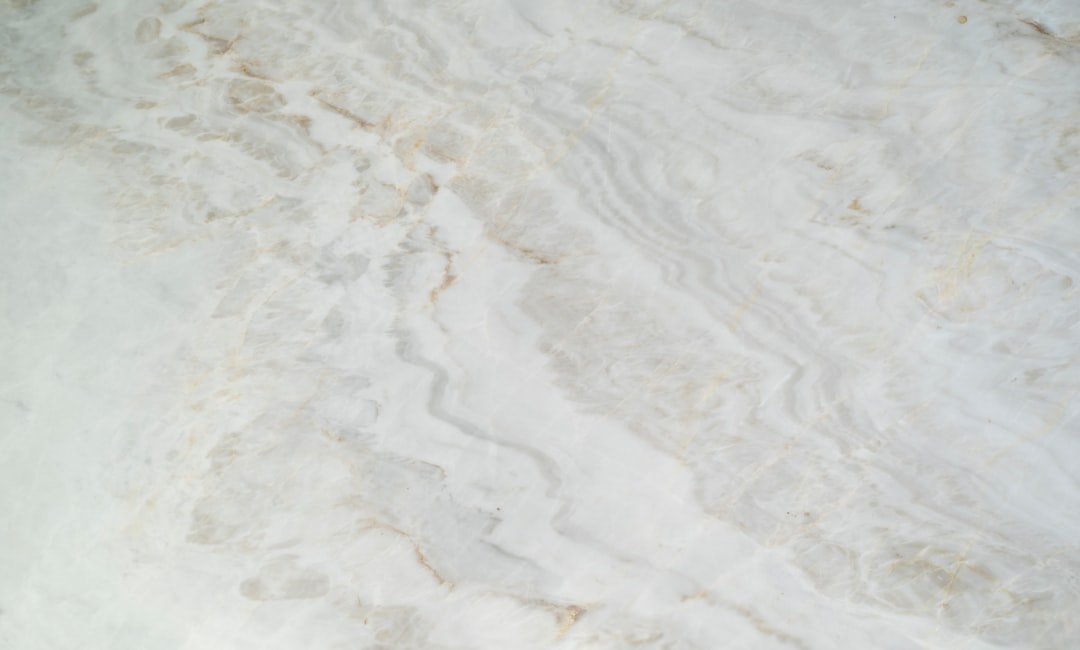
Acid etching
As covered above, etching is structural damage. The surface has been dissolved. You will see a dull, rough patch, sometimes whitish, in the shape of the spill. Common culprits in Singapore homes are lime juice, vinegar, acidic toilet-bowl cleaners, some glass-cleaning sprays and even prolonged contact with wet concrete or grout.
Polishing restores the surface by removing a microscopic layer of stone to expose undamaged material below. Light etching can sometimes be addressed with a marble polishing powder and a buffing pad, but anything deeper than a surface haze needs professional equipment. Our marble flooring maintenance service uses diamond-pad polishing to restore the original sheen without removing more stone than necessary. You can read more about the different restoration approaches in our guide to floor polishing in Singapore: parquet, marble or vinyl.
Deep organic stains on dark or veined marble
Dark marble (like Nero Marquina or Black Galaxy granite composites often used in Singapore condos) absorbs organic stains differently from white Carrara or Bianco marble. The peroxide poultice is not safe on these stones. And once a red wine or coffee stain has been in the pores for more than a few days, even the correct treatment may only lighten, not eliminate, the mark. A realistic outcome on a 2-week-old red wine spill on a dark polished marble floor is significant improvement, not perfect removal.
Bleach damage
Household bleach on marble does something counterintuitive: it does not stain the stone so much as strip its protective sealant and sometimes alter the surface colour permanently. A bleached patch often looks white or light grey, distinct from the surrounding stone. There is no chemical reversal for this. Polishing can sometimes even out the appearance, but full restoration to the original colour is not always possible.
Scratches and abrasion marks
Grey or white scratches, particularly near doorways and under furniture, are physical damage. Polishing addresses light surface scratches. Deep gouges may require honing (a more aggressive grinding process) before polishing, and in severe cases a section of the floor may need re-laying. This is a conversation for a stone restoration specialist.
What NOT to do (common mistakes that make things worse)
Most permanent marble damage in Singapore homes comes from one of these missteps:
- Using vinegar, lemon juice or citrus-based sprays to clean up a spill, they etch the surface while removing the original stain.
- Reaching for a commercial tile or bathroom cleaner without checking whether it is safe for natural stone. Many contain acid or bleach.
- Rubbing a spill rather than blotting it, which drives the contaminant deeper into the pores.
- Leaving a wet poultice uncovered, which can spread the stain as moisture evaporates outward.
- Using abrasive pads or scouring powder on polished marble, which scratches the finish.
- Applying a sealant before removing a stain: the sealant traps the contaminant permanently.
The general advice for cleaning soft furnishings without harmful chemicals applies to stone too: if you are unsure what is in a product, do not put it on a surface you cannot replace easily.
When to call a professional
The honest answer on how to remove stains from marble floor surfaces in Singapore is that you can safely attempt fresh organic stains (coffee, tea, light grease) with the poultice method above. Rust requires specialist stone-safe products and patience.
Call a professional when:
- The mark is an etch, not a stain (dull patch, no colour).
- The stain has been there for more than two weeks.
- The marble is dark or veined and peroxide is not safe to use.
- You have already tried a cleaning product and the mark is now larger or has a haze around it.
- There are multiple stains across a significant area of floor.
Our team has been restoring Singapore marble since 1986. We assess the stain type, the stone type and the existing finish before recommending a treatment, and we use hot-water extraction for any porous-stone cleaning alongside diamond-pad polishing for surface restoration. Related: see our customer service ratings for a sense of the results we typically achieve on residential marble floors.
Frequently asked questions
Can I use baking soda and vinegar to clean marble floor stains?
No. Vinegar is acidic and will etch polished marble on contact, leaving a dull patch that no cleaning can fix. Baking soda is mildly abrasive and slightly alkaline: it is safer than vinegar but still risks scratching a polished finish. For marble floors, stick to pH-neutral stone cleaner and plain water for routine cleaning.
How do I know if the mark on my marble is a stain or an etch?
Run a finger across it. An etch feels slightly rough or gritty compared with the surrounding polished surface. A stain feels the same as the rest of the floor but looks different, coloured, darkened or oily. Etching needs polishing. Staining needs the appropriate poultice or solvent, depending on the contaminant.
My marble floor has a dull patch after I used a cleaner. Can it be fixed?
In most cases, yes. Light etching responds well to a marble polishing compound applied with a soft buffing pad. Deeper etching or damage across a larger area typically needs professional diamond-pad polishing to restore an even sheen. The sooner it is addressed, the better the outcome, because foot traffic gradually worsens an etched surface.
How long does a professional marble polish take, and is it disruptive?
For a standard HDB or condo living-room floor, professional polishing typically takes a few hours. The floor needs to stay dry and untouched for a few hours after treatment while the surface settles. Our team carries out the work in-house with no sub-contracting, and we can advise on the best timing to keep disruption to a minimum.
Does sealing marble prevent stains?
A penetrating sealer slows the absorption of liquids into the stone, which gives you more time to blot a spill before it sets. It does not prevent etching from acid, the chemical reaction happens at the surface, not in the pores. In Singapore's humid climate, resealing every one to two years is sensible for kitchen and bathroom marble that sees daily use.