
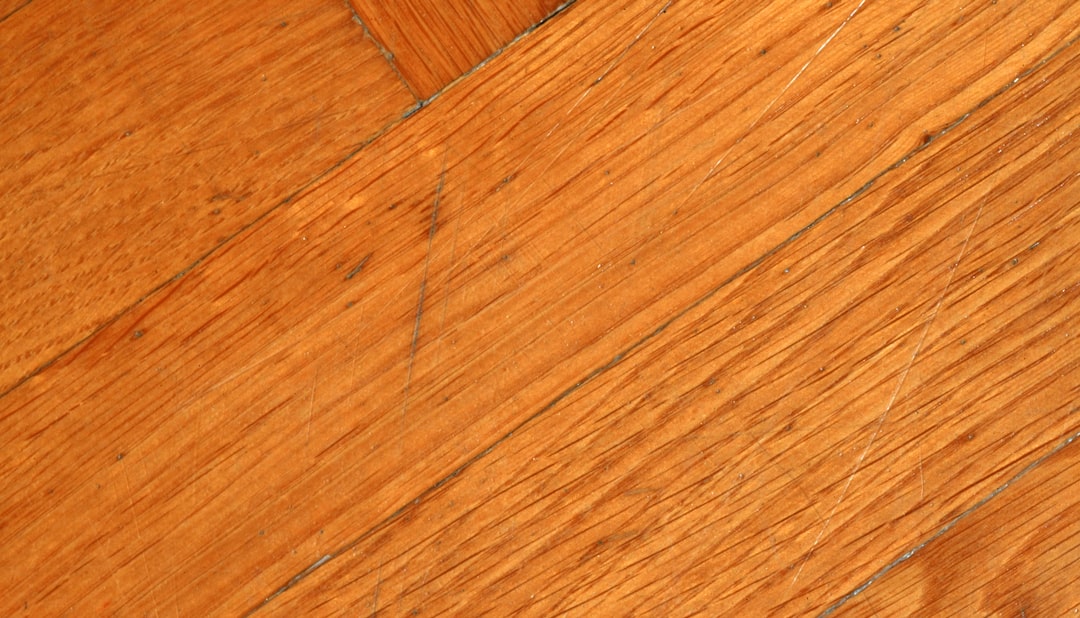
Parquet floors take a beating in Singapore. The combination of high humidity, frequent mopping, dragged furniture and years of foot traffic leaves many floors looking dull, grey or blotchy, even when the wood itself is still structurally sound. Homeowners and facility managers often assume the floor needs replacing when, in most cases, it does not.
The question worth answering honestly is: what can professional restoration actually fix, and where are the limits? The answer depends on the type of damage, the species of wood, and whether the parquet blocks have been over-sanded in previous rounds of work.
Why this matters: knowing what polishing can and cannot fix before you book a job saves you money and sets realistic expectations, especially in Singapore's humid climate, where floor problems tend to compound quickly if left untreated.
Highlights
- Most parquet dullness, light scratches and water marks respond well to professional sanding and re-polishing.
- Deep gouges, lifting blocks, severe warping from flooding, or wood sanded to its tongue-and-groove limit are beyond what polishing alone can address.
- Singapore's humidity accelerates moisture ingress; prompt treatment prevents minor damage from becoming structural.
- Our marble and parquet floor care uses diamond-pad machines and professional-grade lacquers, not consumer spray polishes.
- In-house IICRC-certified technicians carry out all work, we never sub-contract.
- Same-day assessments available; 24/7 emergency response for flood-affected floors.
What dull, scratched parquet usually means
Surface coating versus the wood itself
Most parquet floors in Singapore HDB flats, condos and commercial offices are finished with a polyurethane or acrylic lacquer that sits on top of the wood. Over time that coating scuffs, yellows and loses its sheen, but the wood underneath is often perfectly fine. When a floor looks dull or lightly scratched, the coating is usually the culprit, not the timber.
Professional polishing addresses exactly this. We sand back the old lacquer, clean the grain, and apply fresh coats of a durable finish. The result is a floor that looks newly laid, because the wood itself has barely changed.
Water marks and white haze
White haze or cloudy patches are a common complaint, particularly in kitchens and bathrooms where water seeps under the lacquer. In most cases these are moisture trapped between the coating and the wood, not staining of the timber. Sanding removes the affected layer and the haze goes with it.
If water has penetrated deeper, you will see the wood grain itself has darkened or turned grey, the outcome depends on how long the moisture sat there. Early-stage dark marks often sand out. Staining that has been sitting for months can remain in the grain after sanding, and we will say so honestly during the assessment rather than promise a result we cannot guarantee.
What professional parquet restoration involves
The sanding and polishing stages
A proper restoration job is not a quick buff with a consumer machine. Here is what each stage does:
|
Stage |
What happens |
Why it matters |
|---|---|---|
|
Inspection |
Technician checks block adhesion, sanding depth remaining, moisture content |
Identifies limits before any work begins |
|
Coarse sanding |
Drum or belt sander removes old lacquer and surface damage |
Levels the floor and opens the grain |
|
Fine sanding |
Edge sander and detail work on corners and skirting |
Even finish across the whole surface |
|
Gap filling |
Wood filler matched to the species colour |
Prevents dirt trapping in expansion gaps |
|
Sealing |
Penetrating sealer or primer coat |
Stabilises the grain and improves adhesion |
|
Lacquer coats |
Two to three coats of polyurethane or water-based finish |
Builds durability and sheen |
|
Buffing |
Light abrading between coats |
Removes dust nibs and ensures a smooth top coat |
The floor is walkable the same day in most cases, though we advise avoiding heavy furniture for 48 hours while the finish cures fully.
How many times can a parquet floor be sanded?
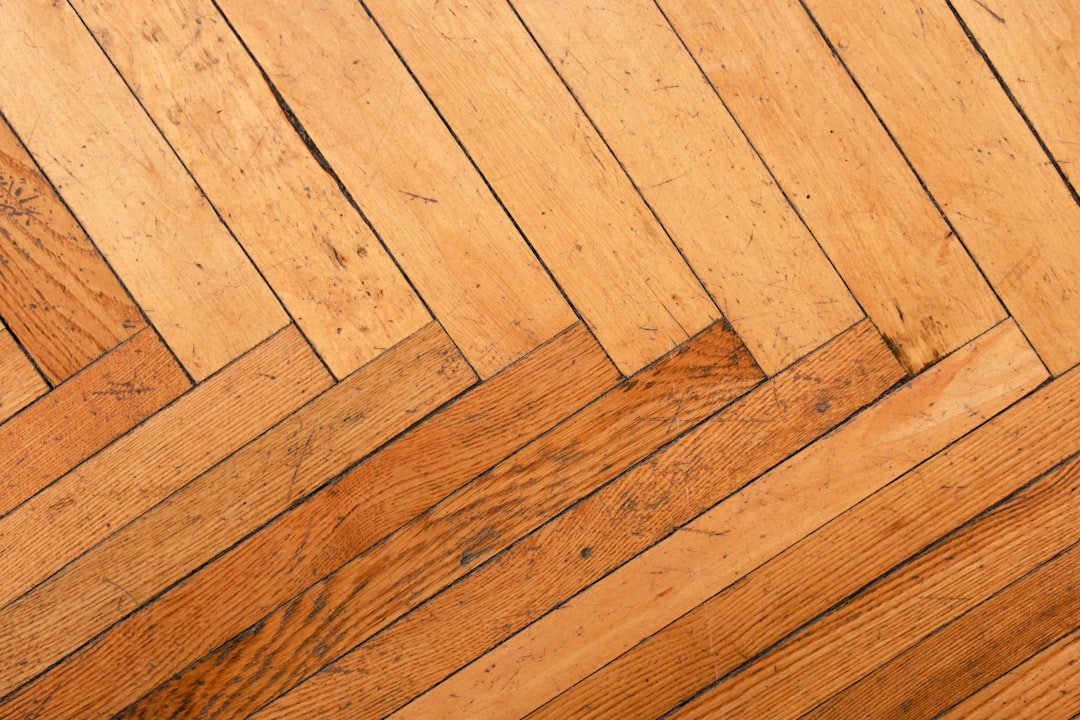
This is the question that matters most for older floors. Solid parquet blocks are typically 8–15 mm thick above the tongue-and-groove, which allows three to five full sanding cycles over a floor's lifetime. Engineered parquet has a much thinner wear layer, sometimes only 2–4 mm, and may only survive one or two professional sandings.
If a floor has been sanded multiple times already, the blocks may be close to or at their limit. Sanding further risks cutting into the tongue, which causes blocks to lift. Our technicians measure the remaining wear layer during the initial inspection and will tell you plainly if the floor cannot safely take another full sand. In that case, a light screen-and-recoat (sanding only the existing finish, not the wood) may extend the floor's life without the risk.
What polishing cannot fix
Structural problems need more than polishing
Polishing is a surface treatment. If the underlying structure is compromised, sanding and lacquering will not hold. The problems that fall outside what polishing alone can address include:
- Lifting or hollow blocks where the adhesive has failed, often from prolonged moisture exposure or poor original installation
- Severe cupping or warping where blocks have swollen and dried unevenly, leaving permanent height differences
- Flood-damaged floors where water has sat for more than a few days; blocks may have de-laminated or the subfloor may have absorbed moisture (our flood damage restoration team handles these as a separate assessment)
- Boards sanded to the groove where no usable wear layer remains
- Active termite or fungal damage in the wood itself
For lifting blocks, the correct sequence is re-bonding or replacing the affected sections first, then sanding the repaired area level with the rest of the floor, then polishing. Trying to sand over hollow blocks risks cracking them.
Setting realistic expectations on deep stains
Deep stains, rust from metal furniture legs, ink, chemical burns from cleaning agents used on the wrong surface, may sand out partially or fully, depending on how far into the grain they have penetrated. We can assess this before committing to a full job. Some stains improve significantly; a few remain visible even after sanding, and honesty about that upfront is more useful than a promise we cannot keep.
If you have been researching how to remove stains from marble floors in Singapore and landed here, the principle is similar: some surface marks on both marble and parquet respond well to professional treatment, while deep chemical or heat damage to the material itself has permanent limits. For marble specifically, our article on marble floor stains in Singapore covers which marks come out and which ones do not.
DIY versus calling a professional
For light surface scuffs on a lacquered floor, a good-quality consumer floor polish (not wax, which builds up) can improve the look between professional cycles. That is a reasonable approach for a floor that is otherwise in good shape.
You should call a professional when:
- The floor looks dull even after cleaning and consumer polishing
- You can see the grain through worn patches where the lacquer has gone completely
- There are water marks, white haze or discolouration that does not wipe away
- Blocks are starting to lift at the edges
- You are preparing a property for sale or lease and need a consistent, even finish
Over-sanding at home with a hired drum sander is the biggest risk. Without experience, it is easy to create dips, missed edges and uneven grain direction, problems that then need more material removed to correct. A professional restoration done properly should last eight to twelve years before the floor needs attention again, which makes it worth doing once and doing right.
For guidance on parquet and marble floor care after polishing, our article on floor polishing in Singapore covers the maintenance steps that keep results lasting longer.
Frequently asked questions
How long does parquet floor polishing take?
A standard HDB living and dining room, roughly 40–60 sq m, takes one to two days, including sanding, gap filling and two to three lacquer coats. Larger commercial spaces take longer. The floor is typically walkable on the same day, but we advise waiting 48 hours before moving heavy furniture back onto the fresh finish.
Will sanding remove all the scratches on my parquet floor?
Light to medium scratches that sit in the lacquer layer sand out completely. Scratches that have cut into the wood grain itself, usually from dragged furniture or dropped tools, sand out in most cases, though very deep gouges may leave a faint shadow in the grain. We assess this during the initial inspection and give you an honest picture before any work begins.
How do I know if my parquet floor can still be sanded?
The key factor is how much wear layer remains above the tongue-and-groove. Solid parquet can usually be sanded three to five times over its life; engineered parquet far fewer. Our technicians measure the remaining depth during the assessment. If the floor is near its limit, we will recommend a screen-and-recoat instead, which restores the finish without removing significant wood.
Is professional parquet polishing safe for children and pets?
The sanding process produces fine dust, so we recommend keeping the area clear during the work. Once the lacquer coats have cured, typically 24 to 48 hours, the floor is safe for normal use, including children and pets. We use professional-grade water-based and low-VOC finishes where appropriate.
How often should parquet floors be professionally polished in Singapore?
In a residential home with normal foot traffic, every eight to twelve years for a full sand and recoat is typical. High-traffic commercial spaces, offices, hotel lobbies, retail, may need attention every three to five years. A screen-and-recoat (finish only, no deep sanding) can extend the interval and costs less than a full restoration.
Ready to restore your parquet floor?
Big Red has been caring for Singapore floors since 1986. Our in-house technicians assess the condition of your floor honestly, tell you what sanding can and cannot fix, and carry out all work themselves, never sub-contracted.
Get a free quote, call us on 6241 9443, WhatsApp 9222 9222, or email [email protected].